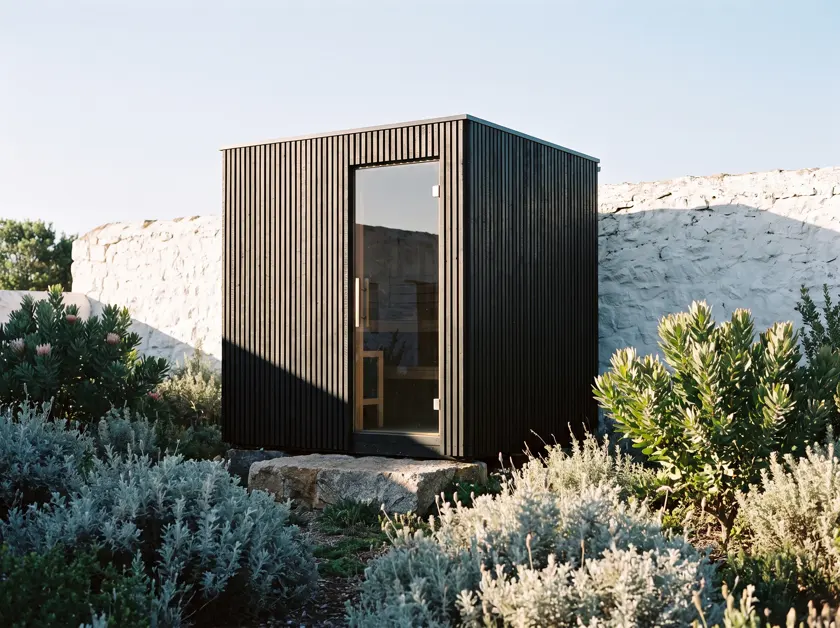
Saunas
A cabin for a Camps Bay winter, a cabin for a Highveld hailstorm and a cabin for Umhlanga humidity are three d…
Read more →Cape Town builds on mountainsides and Johannesburg builds on flat ground that gets hailed on. The cabin is the same idea; the engineering underneath is not.
Indicative band: 80 – 248 thousand ZAR, supplied and installed in South Africa.
Across the continent: Saunas in all eight countries →
On the steep plots of Camps Bay, Clifton and Bantry Bay we set cabins on galvanised steel posts bolted into the existing retaining wall, with the floor frame levelled above the fall. Nothing new is cut into the terrace and no load is added to a wall that is already holding the garden up.
Access is the other half. Panels are carried down steep steps by hand, often in the early morning, and that is a labour line in the quote rather than a hidden loading.
Summer hail on the Highveld dents cars and shreds thin sheeting. Roofs get a heavier gauge and a proper fall, glass is specified for impact where it faces up, and anything fragile lives under the eave rather than exposed.
We have replaced other people's polycarbonate roofs after a single storm. It is not worth the saving.
A ventilated rainscreen cavity behind the cladding, drained at the bottom, is what keeps a cabin alive through a Cape winter. Water that gets past the boards runs out instead of soaking the insulation, and the wind that drives it in also dries the cavity.
By hand down the steps, usually early morning. We photograph the route on the visit and price the labour honestly.
Not with the right roof gauge and glass specification. We have replaced other people's polycarbonate after one storm.
Pale timber silvers within two or three years unless re-oiled. Charred timber holds colour far longer. Neither affects the structure.
A cabin for a Camps Bay winter, a cabin for a Highveld hailstorm and a cabin for Umhlanga humidity are three d…
Read more →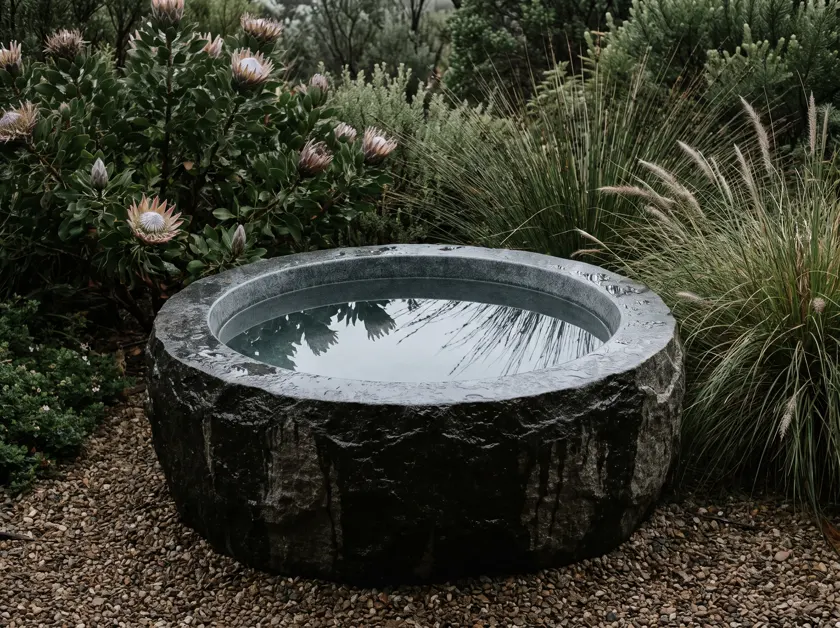
South Africa is the only market we work in where we regularly talk clients out of a chiller, and it is worth u…
Read more →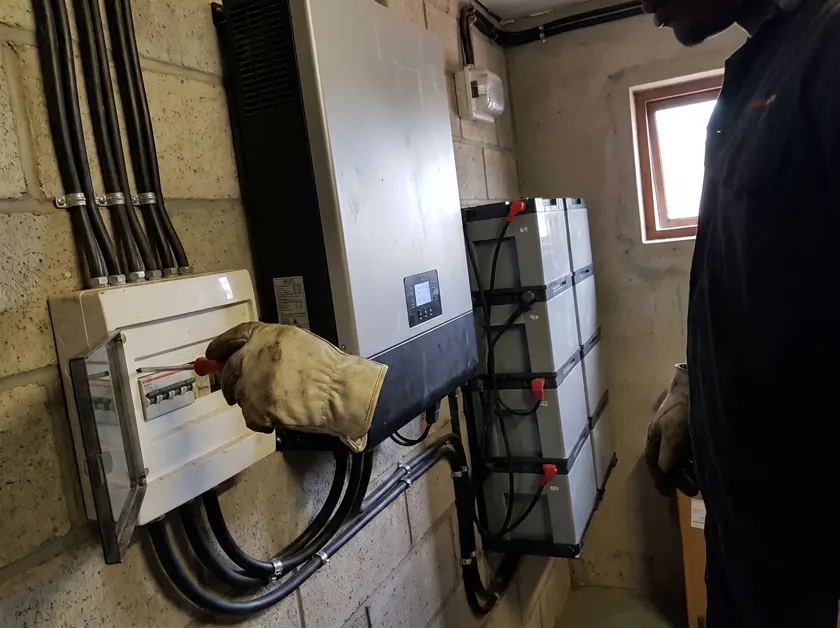
Load shedding has ended — South Africa has now gone more than 475 days without it, and passed a full year with…
Read more →