One standard, eight climates
We are a manufacturer and design studio, not a reseller. We survey the site, draw the room, make the panels, carve the stone, install it and come back to service it — in eight countries, to the same standard, with eight different specifications.
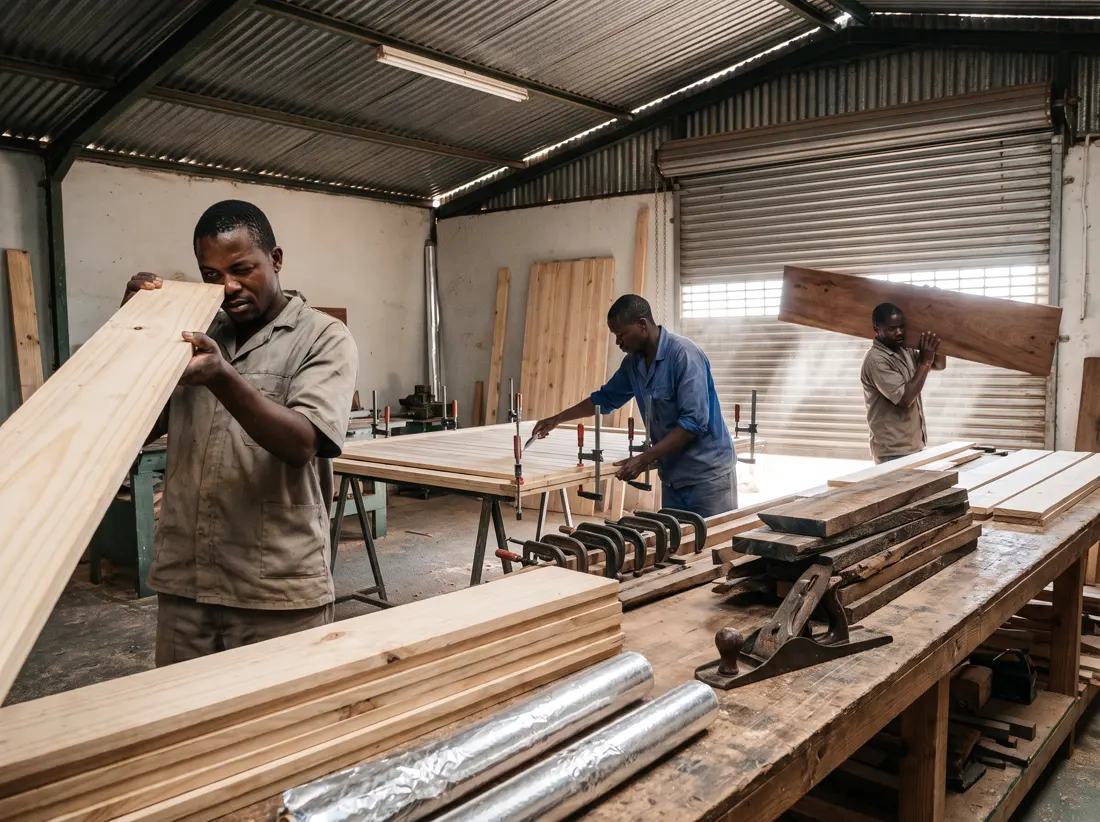
What we make
Saunas from a two-person cabin to a fourteen-seat commercial tier. Steam rooms and, in North Africa, hammams with a heated slab. Cold plunge tubs, plunge pools and basins carved from stone that came out of the ground nearby. Infrared cabins. Salt and snow rooms for resort suites. And the plant that runs all of it: heaters, generators, chillers, filtration and the controls that sequence them.
Two things we hand to named specialists and never do ourselves: the electrical connection, and the structural engineer's opinion wherever something heavy is going onto a suspended slab, a terrace or a hillside frame. Both come back to you signed.
Where the experience came from
This operation was built on the back of the same work in the Gulf and in South-East Asia. Those are the neighbouring problems: humidity that never lets timber dry, salt that eats a plated fixing in a season, heat that never gives a compressor a cool night, and private clients who expect a room built to hotel standards.
Africa added four problems the Gulf does not have. Altitude, which changes the heater calculation from Nairobi to the Ngorongoro rim. Dust, which blankets a condenser in the harmattan and in the dry season. Island and overland logistics, where a forgotten bracket is a fortnight rather than an hour. And supply that cannot be assumed, which is why load sequencing is in our drawings rather than in a footnote.
Each of those is now a standing part of how we quote. None of them are surprises we discover during a build, and that is most of what a client is actually buying.
The standard that travels
Heater capacity from the cabin's real insulated volume, corrected for site elevation, with glazed area added at roughly 0.42 kW per square metre — and the result shown in the quote so you can check it. Chillers sized against the ambient at your site rather than a temperate chart, because undersizing is the commonest fault we are called to fix on this continent.
End grain sealed in the workshop as it is cut, before any panel goes together. A continuous vapour barrier with a battened air gap behind the lining. Drained and vented cavities rather than sealed ones. A ventilated void under every outdoor cabin. A membrane detailed into the existing structure at every junction, and extract ducted genuinely outside rather than into a ceiling void.
And a spares kit with part numbers left on site at handover: an element, a thermostat, a cartridge, hose seals and a handful of A4 fixings. On the mainland it is a convenience. On Pemba, La Digue or a fly-in camp it is the difference between ten minutes and three weeks.
What we will tell you not to buy
A plunge without a chiller anywhere the nights do not genuinely do the work. A 9 kW heater on an inverter that cannot carry it. Plated fixings anywhere near an African coast. A steam generator specified without testing your borehole. A large suite a property cannot staff. And anything holding water on a structure nobody has assessed — that last one is a refusal rather than advice.
Saying so costs us a few sales a year and has never cost us a client. It is also the reason people come back to us for the second property.
Eight workshops
Every country is made in that country: local joiners, local stone, local trades, and our drawings and standard. It is why lead times are weeks rather than months, and why a service visit is a scheduled block rather than a flight.