Fire
The sauna
Dry heat at 80–95 °C, sized from the cabin's volume and corrected for altitude where it matters. Thermo-treated aspen or pine inside, end grain sealed before assembly, insulation ahead of kilowatts.
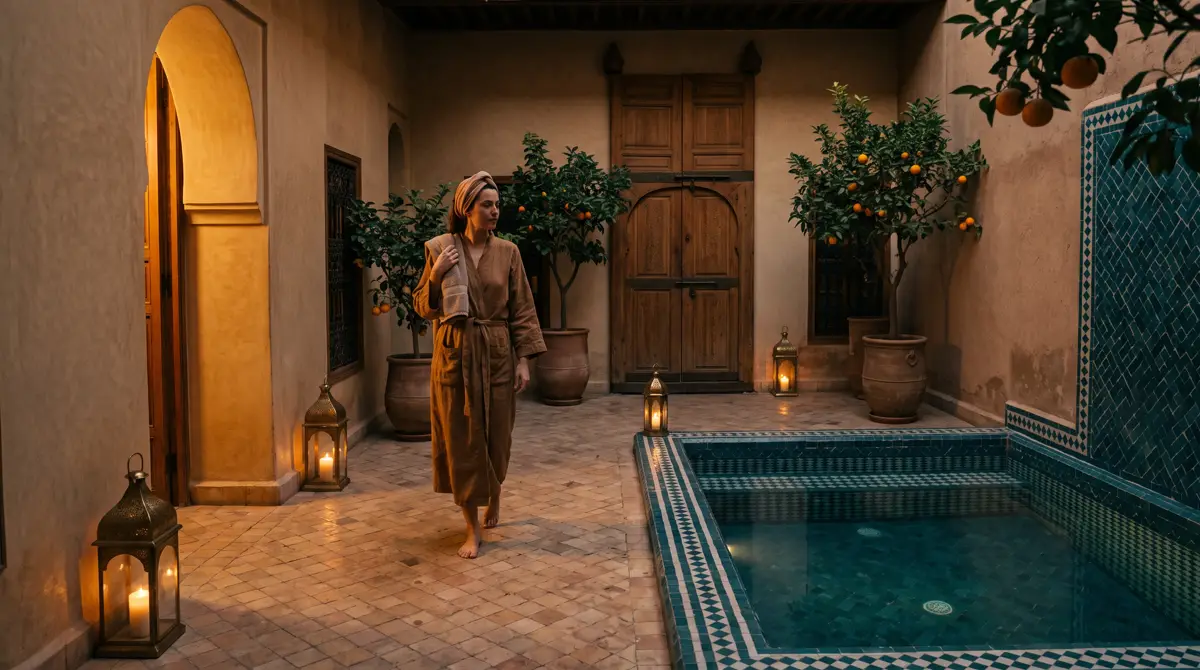
Five Elements Africa builds heat and cold rooms across the continent: a cabin for a Cape winter, a coral plunge on a Zanzibar beach plot, a hammam inside a Marrakech riad, a thermal deck at a Serengeti camp, a terrace installation twenty floors above Lagos. One company, one standard, and a different specification for every one of them.

Dry heat at 80–95 °C, sized from the cabin's volume and corrected for altitude where it matters. Thermo-treated aspen or pine inside, end grain sealed before assembly, insulation ahead of kilowatts.
The hard half in Africa. Almost nowhere on this continent cools to plunge temperature by itself, so we insulate the shell and the base, fit a lid people will actually close, design shade into the layout — and then size the chiller for real ambient rather than a temperate chart.
A continuous membrane, a screed falling to the drain, a pitched or domed ceiling and a humidistat extract ducted genuinely outside. In North Africa it becomes a hammam with a heated slab, which is a building type this continent already owns.
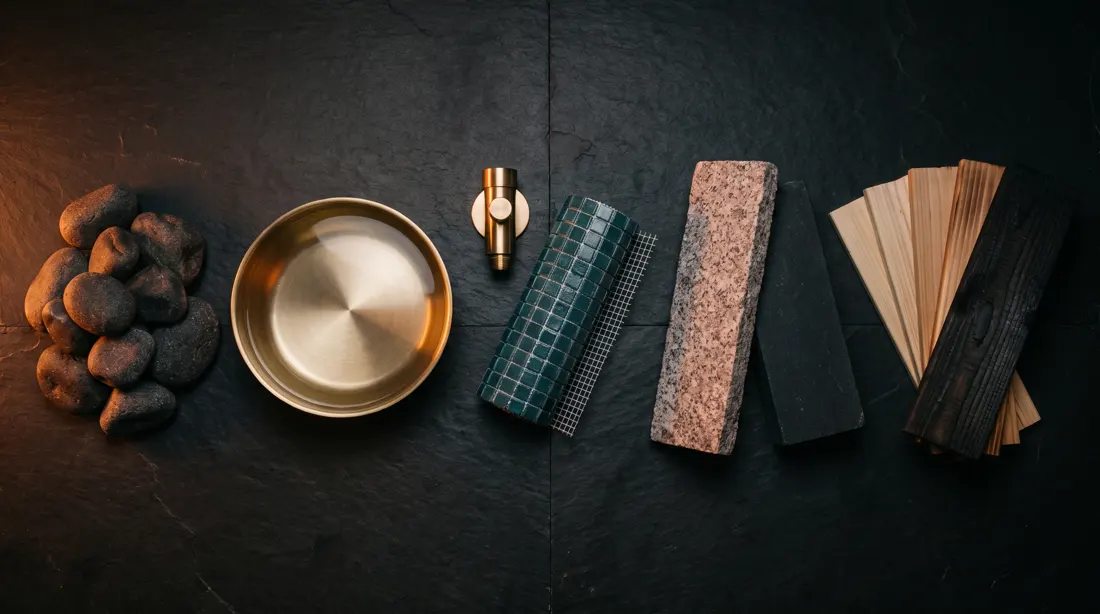
Granite in the Seychelles, volcanic basalt in Mauritius and Kenya, coral rag on Zanzibar, alabaster in Egypt, terrazzo in Lagos, slate at the Cape. The stone is the finish and the mass; the insulation and the waterproofing sit behind it.
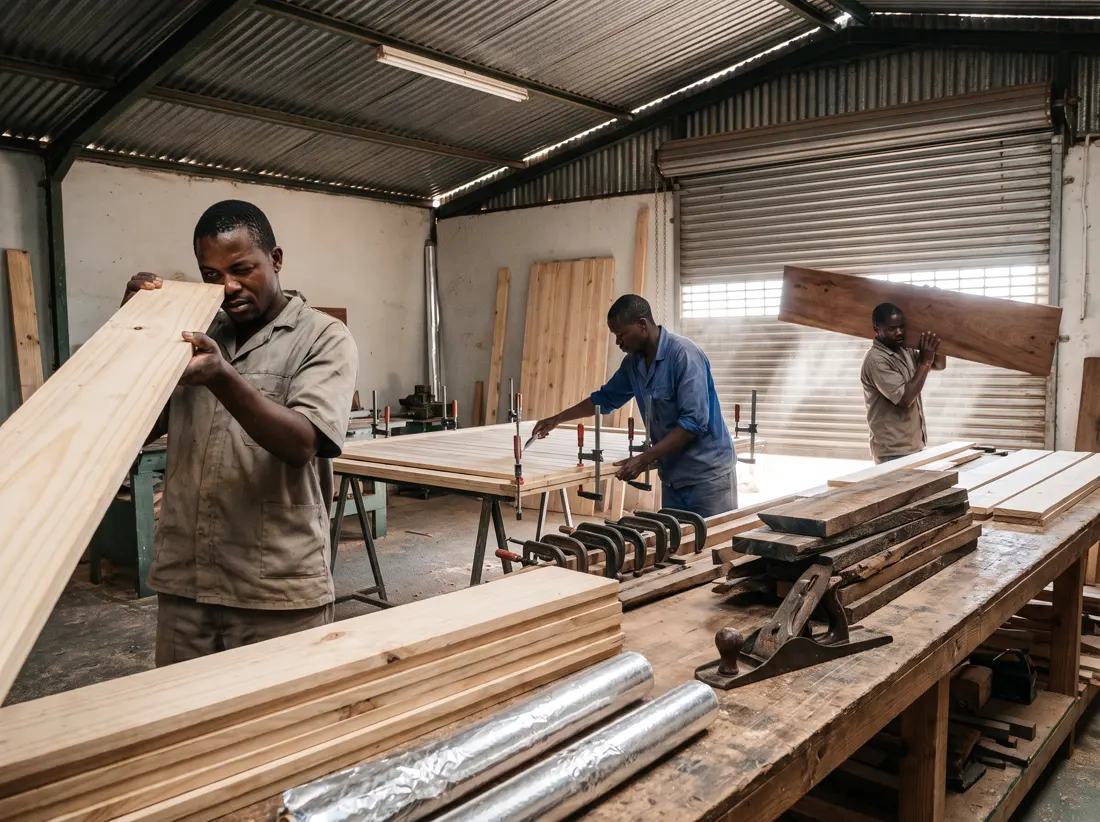
Conditioned in the climate it will live in before it is cut, dry-assembled in full in the yard, photographed and numbered, then taken apart and shipped. Two days in the workshop saves a fortnight on an island.
Duty-free entry for EU-origin equipment and a 6–24 hour crossing from Tanger Med — the shortest supply line on the con…
Read more →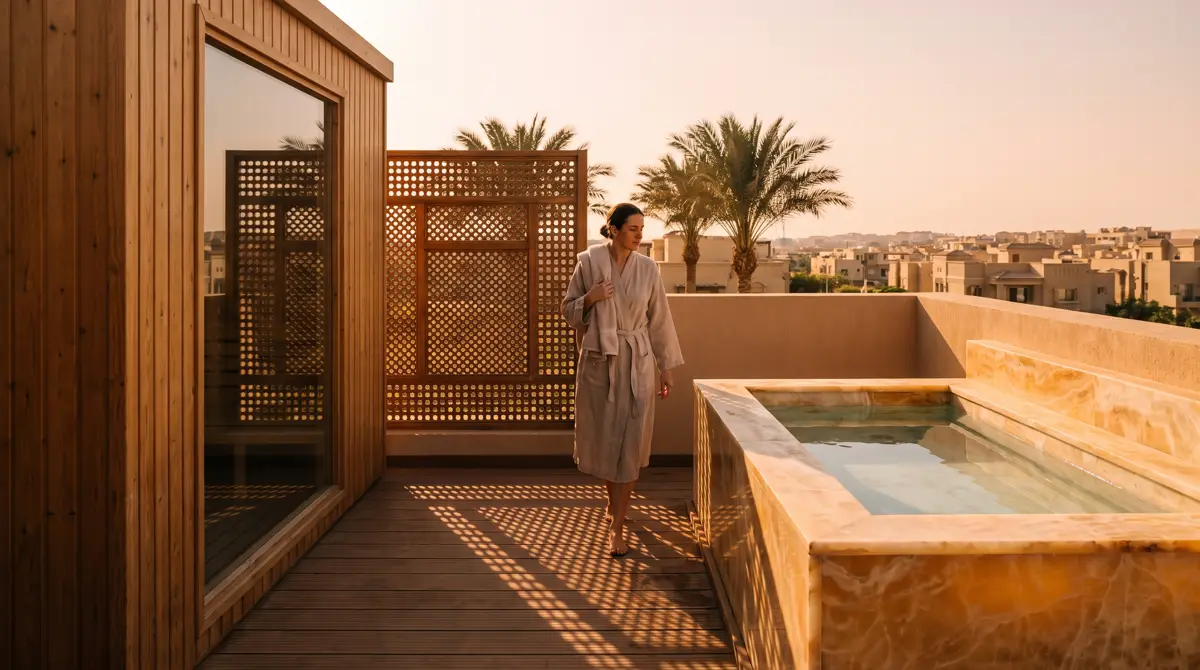
The largest hotel room stock in North Africa and the saltiest sea we build beside. Dust package inland, stricter marin…
Read more →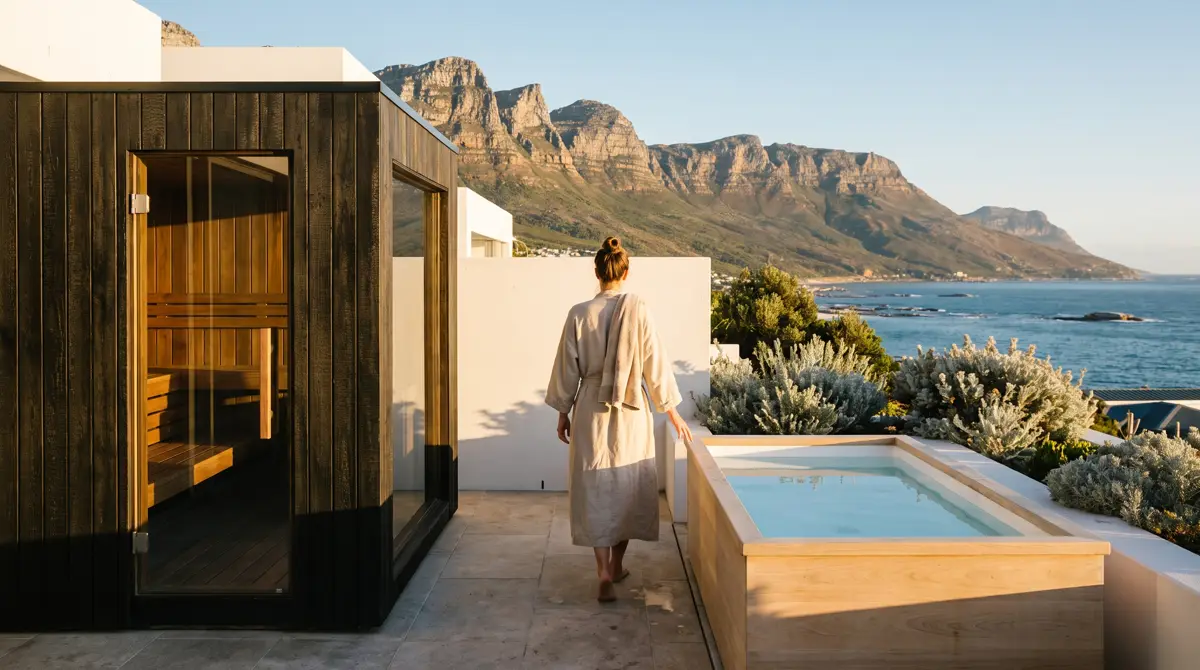
Load shedding is over, and the inverter and battery base the country built during it is exactly what a scheduled heate…
Read more →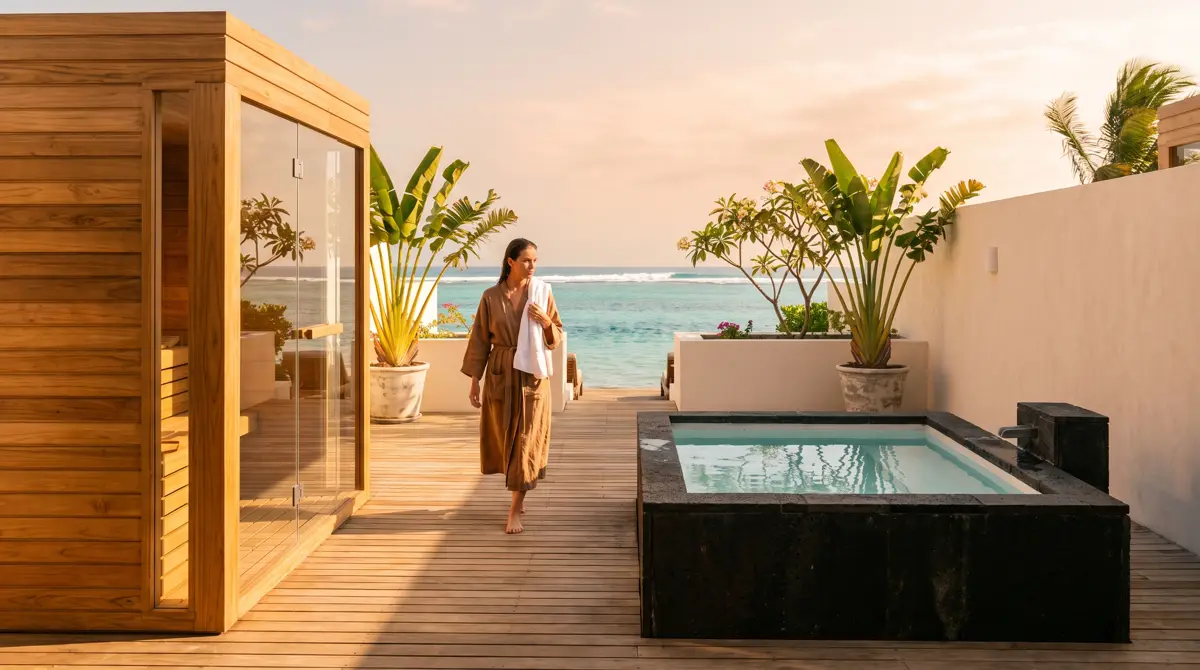
Everything outdoors is anchored to an engineer's signature here, and nothing on this island ever dries on its own — ca…
Read more →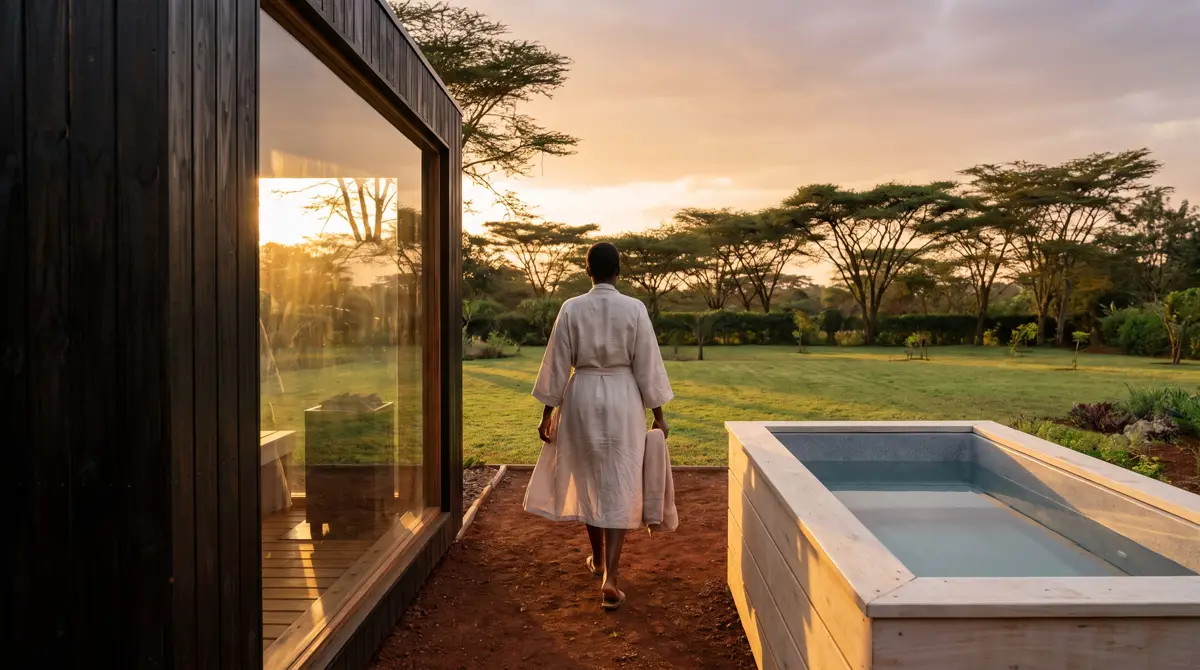
Nairobi's altitude costs you heater capacity and hands back the cheapest cold water in Africa. We show both sides of t…
Read more →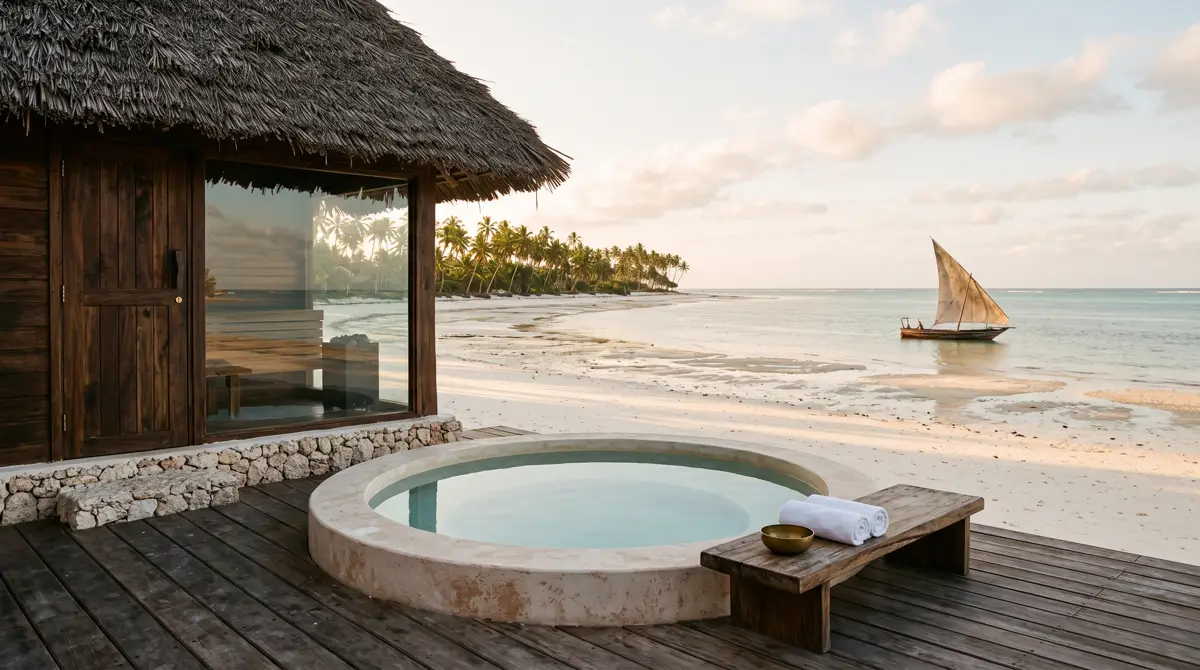
Stone Town is a World Heritage site where nothing arrives by vehicle, and the Ngorongoro rim is the one place on this …
Read more →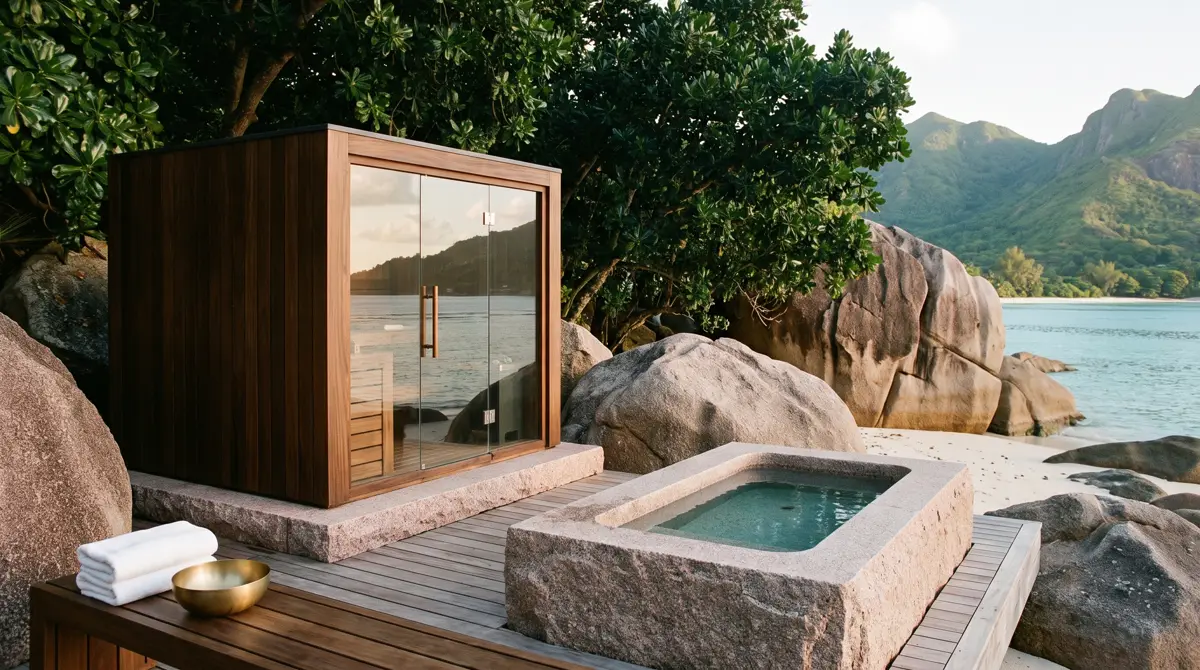
The only granitic ocean islands on earth. The boulder on your plot is the plinth, the windbreak and — where the stone …
Read more →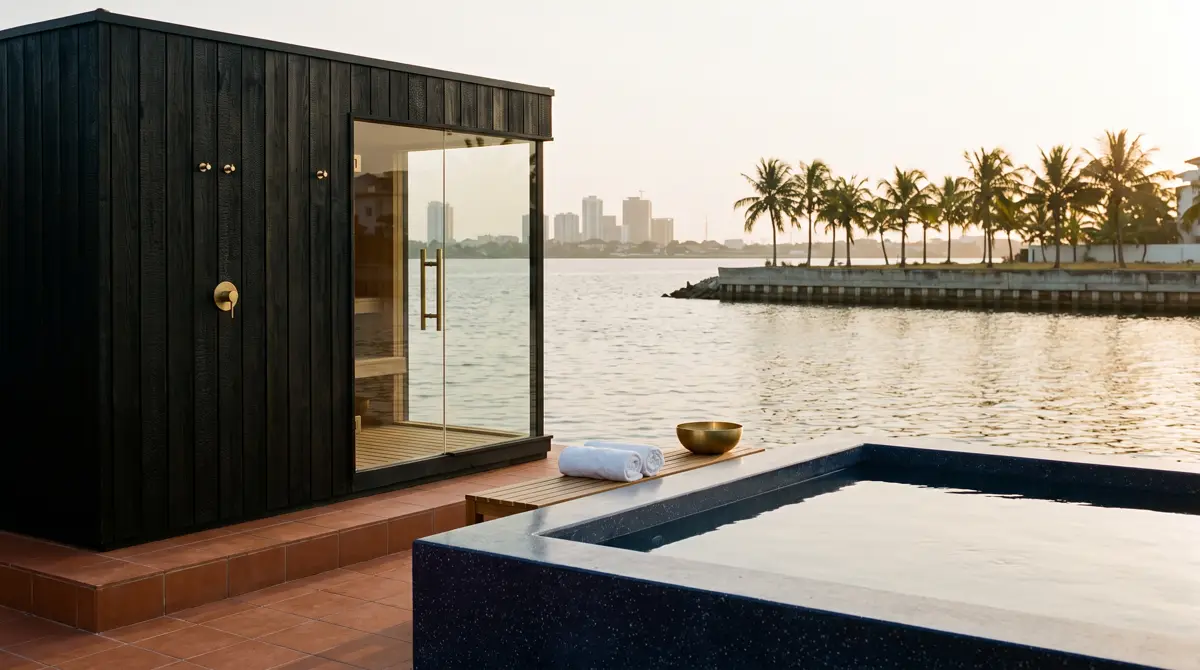
Nigeria already built the hard part — an inverter, a battery bank and a generator in every serious house. Our job is t…
Read more →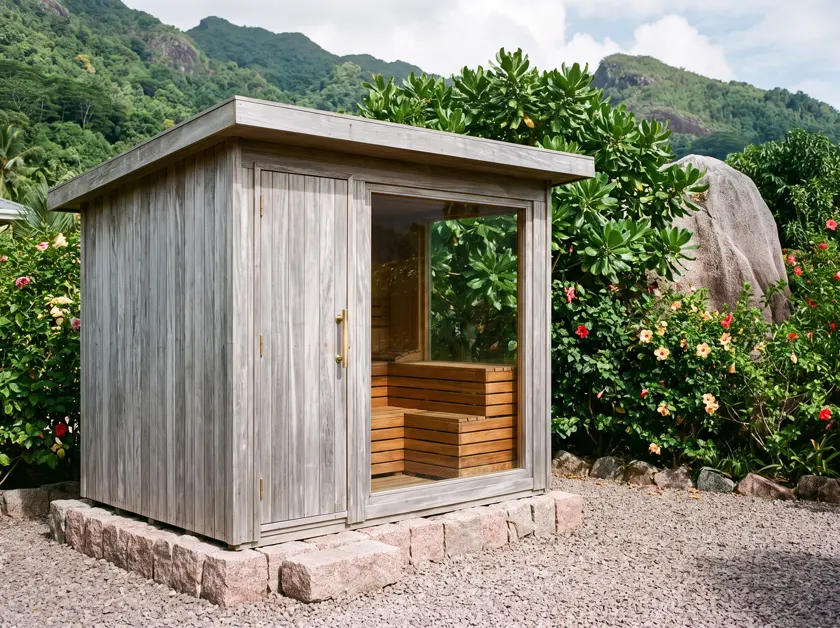
A sauna is the simplest room we build and the one most often specified wrongly, because almost every sizing chart in e…
Read more →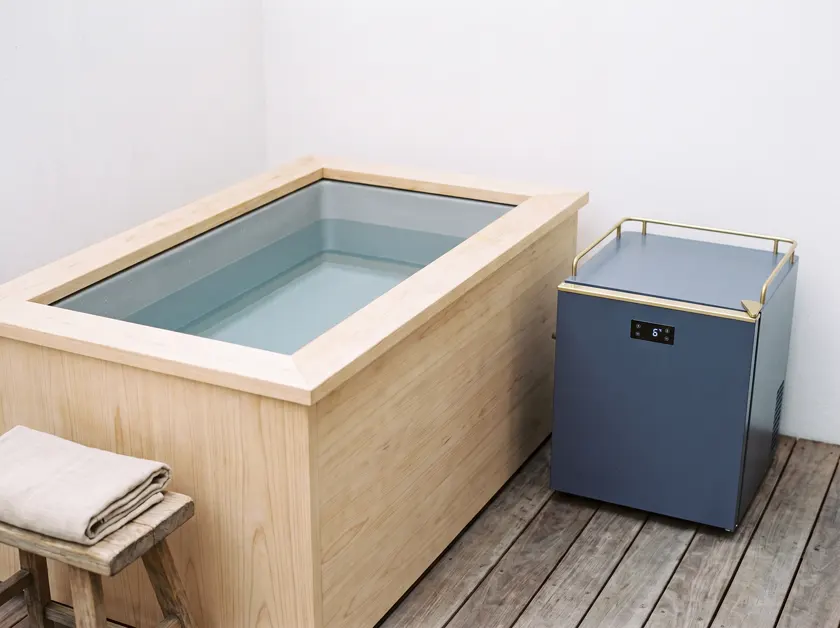
In most of the world a plunge is a tub. In most of Africa it is a machine, and the single commonest fault we are calle…
Read more →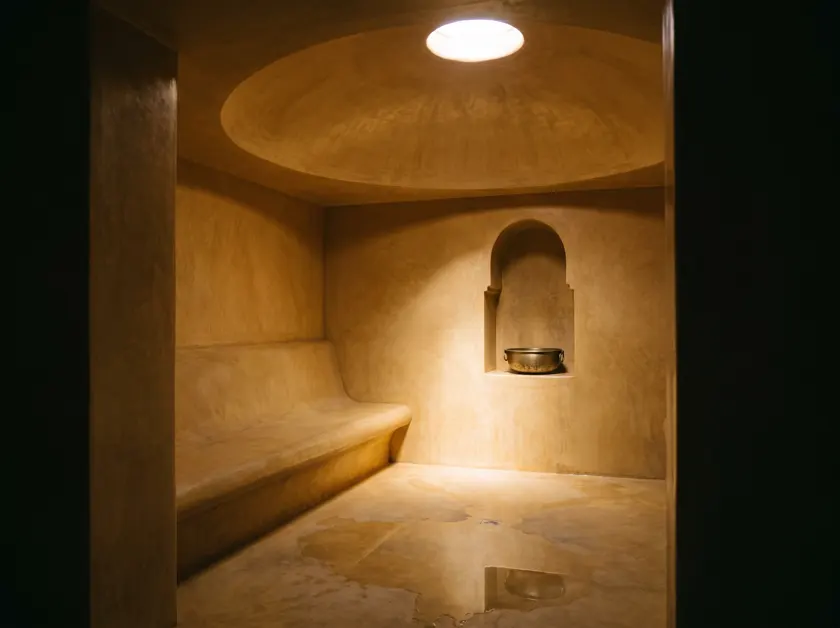
We are called to more failed steam rooms in Africa than failed saunas, and the cause is nearly always the same: the ro…
Read more →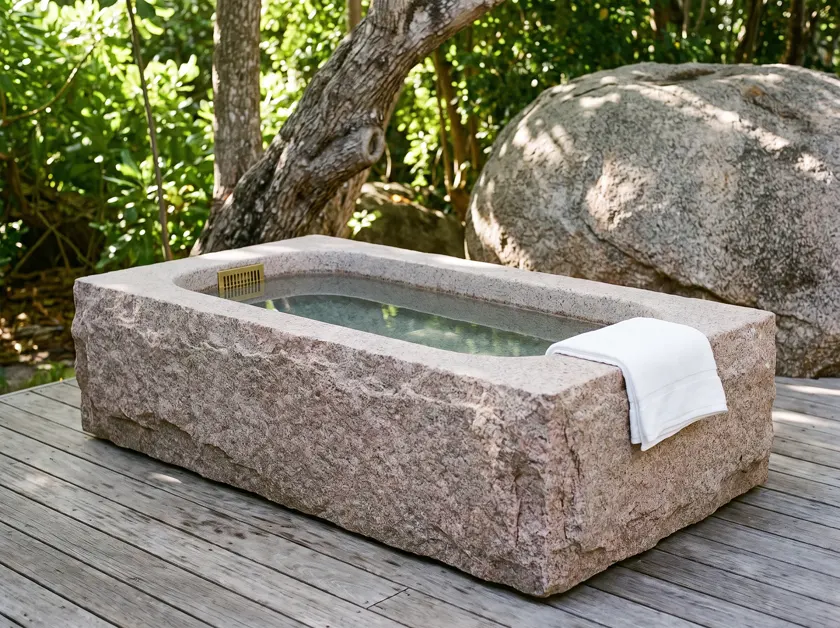
This is the one thing we make that could not be made anywhere else, because the block comes out of the ground near whe…
Read more →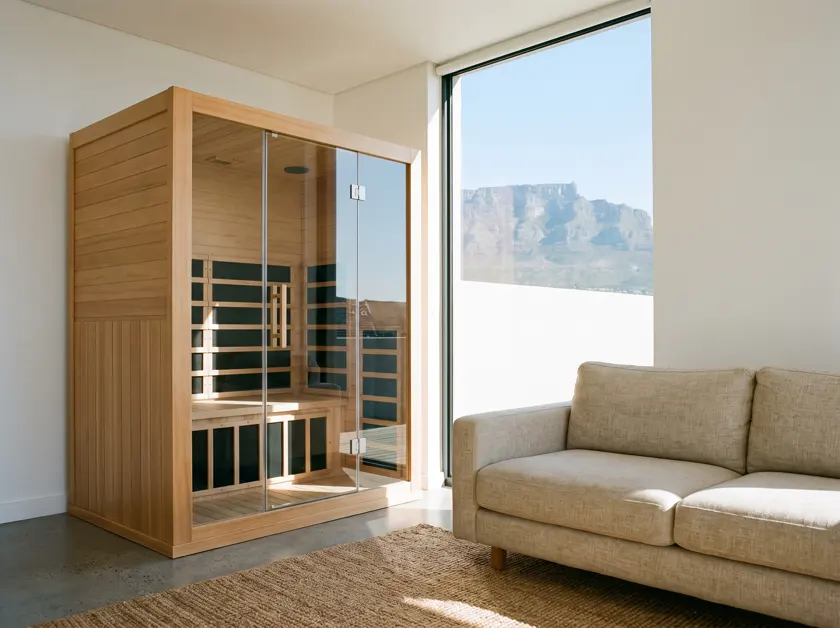
For an apartment, a rented villa or any property where nothing can be fixed to the structure, this is the answer that …
Read more →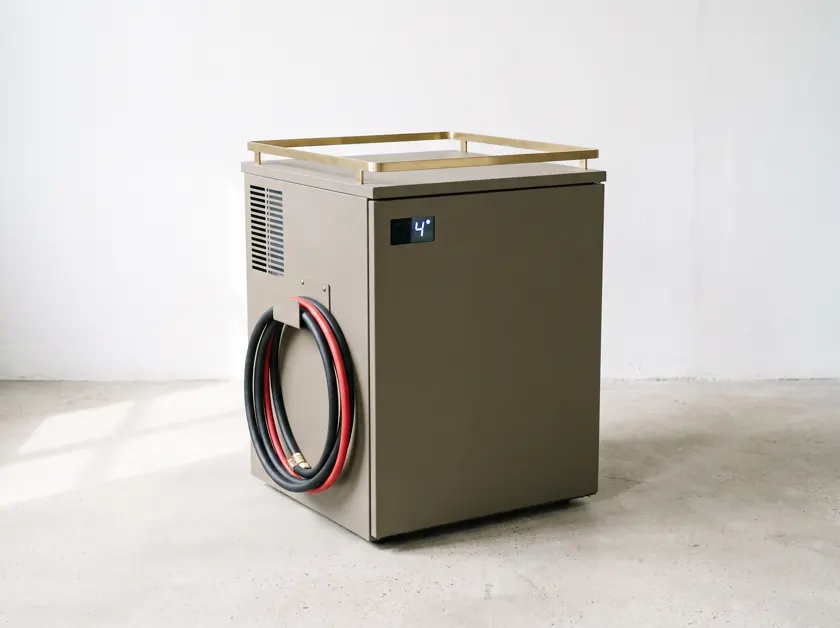
Two thirds of the chillers we are asked to repair on this continent were sized for a smaller tub than the one they wer…
Read more →A4 stainless throughout on any coast, sealed end grain before assembly, ventilated voids and drained cavities where nothing dries on its own. Dust packages where the harmattan and the dry season blanket a condenser. Inland at altitude, none of that — and a different heater instead.
Nairobi at 1,795 m and the Ngorongoro rim at roughly 2,300 m need a heater sized up, because thinner air carries less heat per kilowatt. The same altitude means cold nights, so the plunge needs a smaller machine or none at all. Both lines appear in the quote.
In Nigeria and at every off-grid camp the heater and the chiller are two large loads placed into an inverter, battery and generator system: scheduled circuits, no coincident starts, and the essential board verified physically rather than assumed.
Hand carry through Stone Town's lanes, forty steps between granite boulders above Glacis, a service lift in a Lagos tower, a barge to Praslin, a light aircraft to a bush camp. We survey the route before we quote and size the panels to the tightest turn on it.
We are a manufacturer, not a reseller. Panels, benches, doors and sub-frames are made in our own joineries, and stone basins are split, carved and honed in our own yard. Every cabin is dry-assembled in full before it ships — the door hung, the benches in, the whole thing photographed and numbered — so nothing is discovered for the first time on a client's terrace.
The engineering standard is the same in all eight countries and the specification is not. Every quote states the heater size and the calculation behind it, the chiller capacity against the ambient at your site, the exposure package, the access and shipping, and the service interval. If it is the salt, the crossing, the slab or the supply that makes your project expensive, you will see which line it is.
This operation was built on the back of the same work in the Gulf and South-East Asia, where the problems are the neighbouring ones: constant humidity, salt, heat that never lets a chiller rest, and clients who expect a hotel-grade room in a private house. Africa added altitude, dust, island logistics and unreliable grids — and each of those is now a line in our drawings.
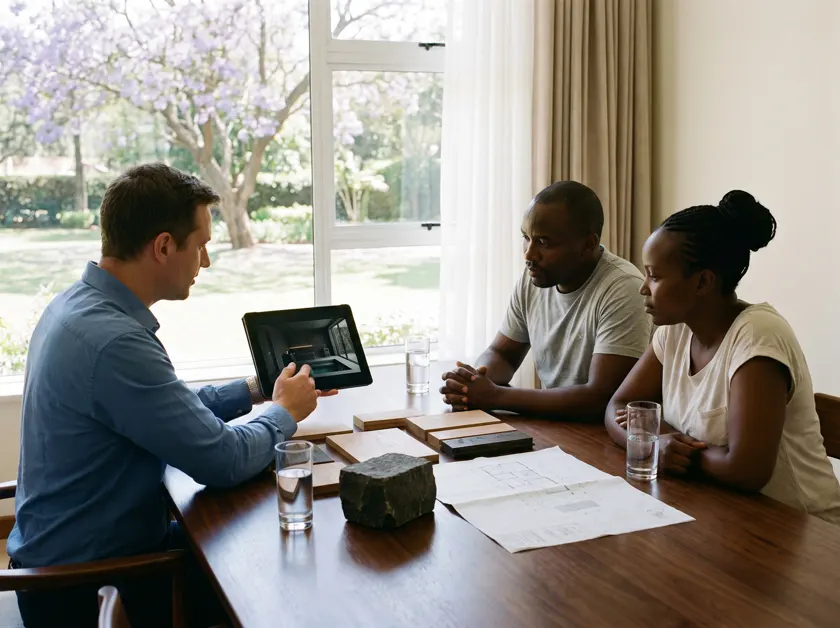
Laser measure, camera, the ground, the carry route from the nearest vehicle, the board or the inverter, the lift where there is one, and a water test where a steam room is involved.
A dimensioned drawing, the heater calculation with any altitude correction, the chiller sized against real ambient, and a price with access, shipping, the exposure package and services on their own lines.
First fix — drain, extract, cable, circuits — while panels are made and long-lead items travel. The cabin is dry-assembled in the workshop before it leaves.
Commissioning with a thermometer and a stopwatch, staff training on commercial work, a spares kit with part numbers left on site, and the first service booked.
40% to start the drawing and order materials, 40% before shipping, 20% on commissioning.
An honest continental price breakdown: what a sauna and cold plunge cost in eight African countries, what moves the nu…
Read more →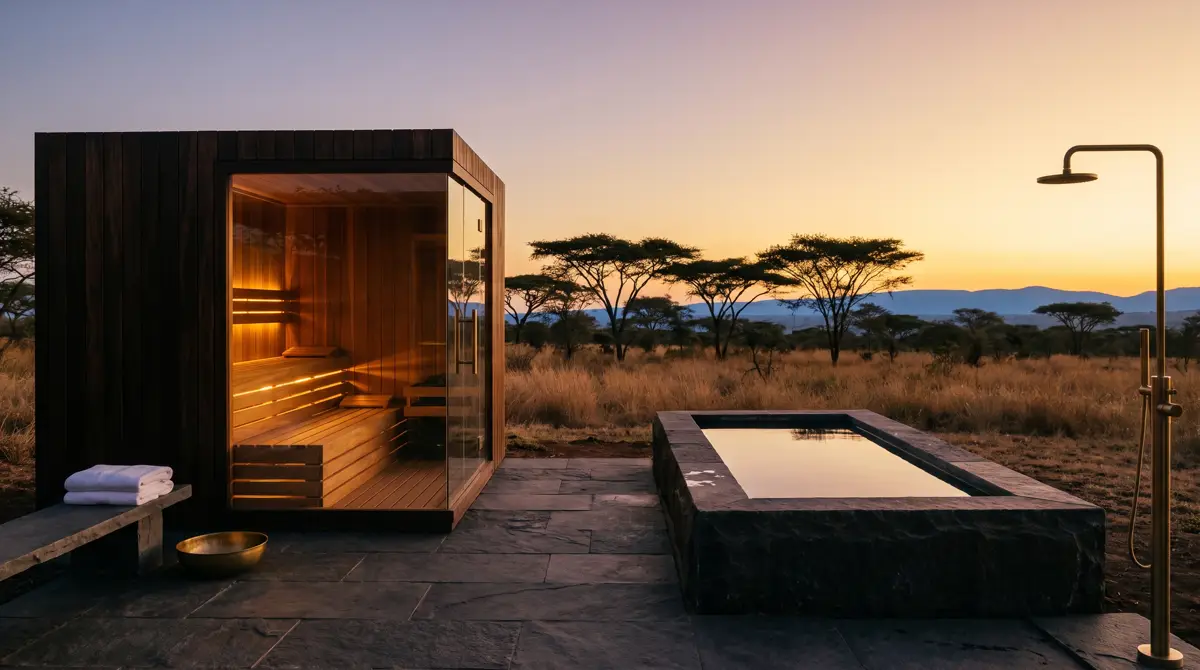
From Nairobi at 1,795 m to the Ngorongoro rim: why African highland saunas need a bigger heater, and why the same alti…
Read more →Why the cold side is the difficult half of contrast therapy in Africa: chiller sizing for real tropical ambient, shade…
Read more →Yes, each with its own workshop and its own trades. The country pages list the districts we work in and the specification that applies there, because a Cape Town hillside and a Zanzibar beach plot need different buildings.
Because the same cabin costs different money in eight currencies with different shipping, duty and access. We publish indicative USD bands for the continent and a full local-currency table on every country page, and the quote you get is calculated for your site.
In Lagos, Zanzibar, the Seychelles, Mauritius and on any African coast, yes, in every month. In Nairobi a smaller one. On the Ngorongoro rim usually none at all, and we will tell you that rather than sell you a compressor.
That is the normal case rather than the exception. We size the heater and the chiller into your inverter, batteries, solar and generator, sequence them so they never start together, and verify which circuits the changeover actually feeds.
Eight to twelve weeks where there is road access to the site. Ten to fourteen for an island or a fly-in camp, and almost all of that difference is shipping rather than building.
Timber, joinery and workmanship carry ours; heaters, generators and chillers carry the manufacturer's and we register them. Service is quarterly on any coast and in dust, half-yearly inland, and we quote the schedule with the installation rather than selling it afterwards.
A large part of what we build is commercial: resort thermal suites, hotel spas, safari camp decks and gym recovery zones, with duplicated plant, documented water regimes, staff training and a six-month return visit to check the log is being kept.
40% to start the drawing and order materials, 40% before shipping, 20% on commissioning.
Nothing is stored on this site — the button opens WhatsApp with your text.