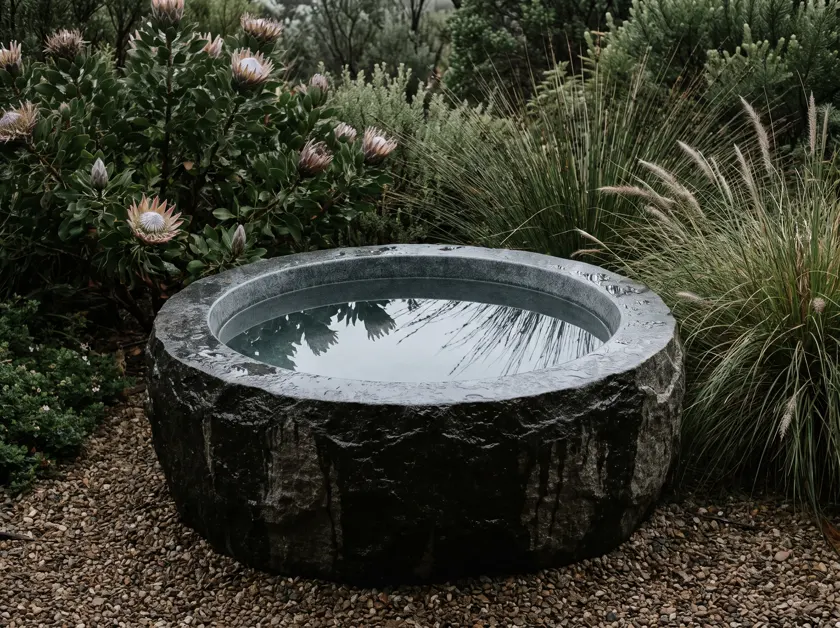
Cold plunges
South Africa is the only market we work in where we regularly talk clients out of a chiller, and it is worth u…
Read more →A cabin for a Camps Bay winter, a cabin for a Highveld hailstorm and a cabin for Umhlanga humidity are three different buildings. Selling one product into all three is how equipment dies early here.
Indicative band: 58 – 190 thousand ZAR, supplied and installed in South Africa.
Across the continent: Saunas in all eight countries →
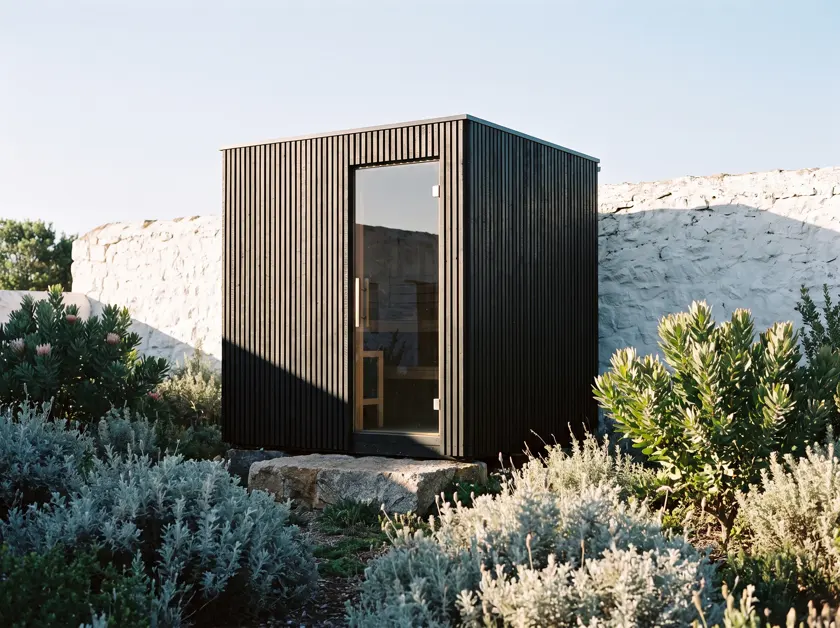
Cape Town: wet, windy winters with driving rain off the Atlantic. Deep ventilated cavity, charred or thermo-treated cladding, stainless fixings, and drainage under the cabin because water will get everywhere.
The Highveld: dry, high, and hail in summer. Altitude matters — Johannesburg sits at about 1,750 m, so the heater is sized up the same way we do it in the East African highlands. Roofs and exposed cladding need to survive hail that dents cars.
KZN coast: humid subtropical, salt on the air, nothing dries on its own. Mechanical extract with a run-on timer on every enclosed room, marine-grade fixings, and timber that is thermo-treated rather than hoping.
Most of our markets have to justify a hot room in a hot climate. Here, from May to September, the Cape is genuinely cold and wet, and a sauna is the room the house revolves around.
It also means contrast therapy works without a chiller for half the year: municipal water in a Cape winter arrives cold enough that a shaded, insulated plunge sits in the low teens with no machine at all.
0.85 kW per cubic metre of insulated cabin, plus roughly 0.42 kW per square metre of glazing. On the Highveld we add capacity for altitude; at the coast we do not.
Above 8 kW you want three-phase. South Africa supplies 230 V single phase and 400 V three phase at 50 Hz, and on most suburban properties the three-phase connection already exists or is straightforward.
For a 12–15 °C plunge in winter, often not. For a reliable 8 °C year round, yes. We will tell you which you actually want before selling you a machine.
Yes. At about 1,750 m the air is thinner and the heater has to be sized up, the same correction any highland site needs, and we show it as its own line.
Six to ten weeks from signed drawing, or three to four if we have the section in stock.
South Africa is the only market we work in where we regularly talk clients out of a chiller, and it is worth u…
Read more →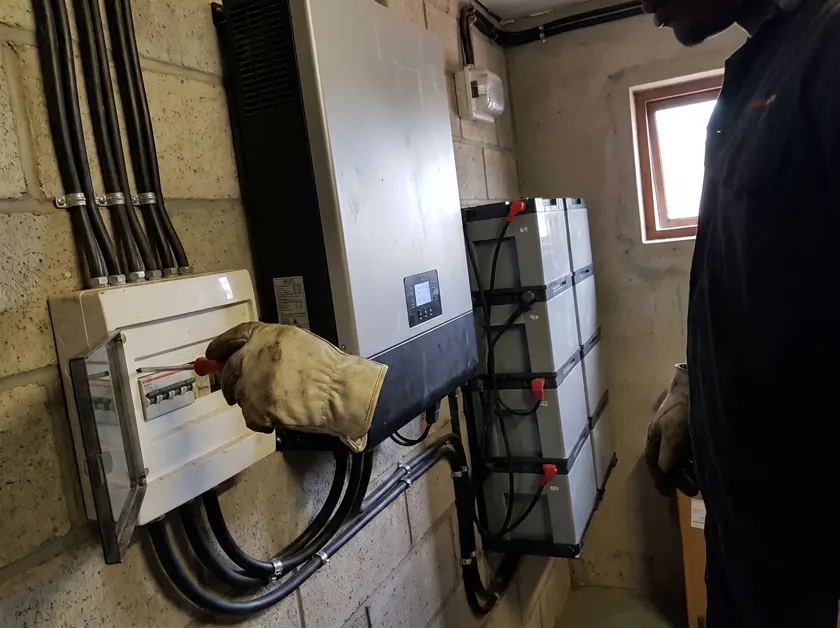
Load shedding has ended — South Africa has now gone more than 475 days without it, and passed a full year with…
Read more →Cape Town builds on mountainsides and Johannesburg builds on flat ground that gets hailed on. The cabin is the…
Read more →