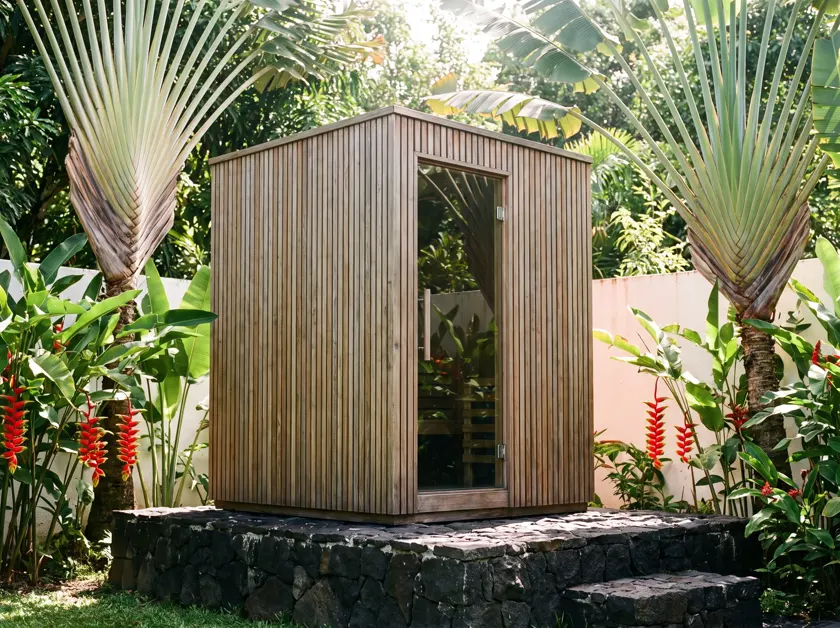
Saunas
On this island the wind is a design load, not weather. Everything freestanding is tied down to concrete, and a…
Read more →This is the part of the job nobody photographs and the part that decides whether the rest of it is still there in March.
Typical project in Mauritius: MUR 45k – 150k, supplied and installed · six to ten weeks per room after the drawing is approved, plus shipping.
Across the continent: Coastal & island builds in all eight countries →
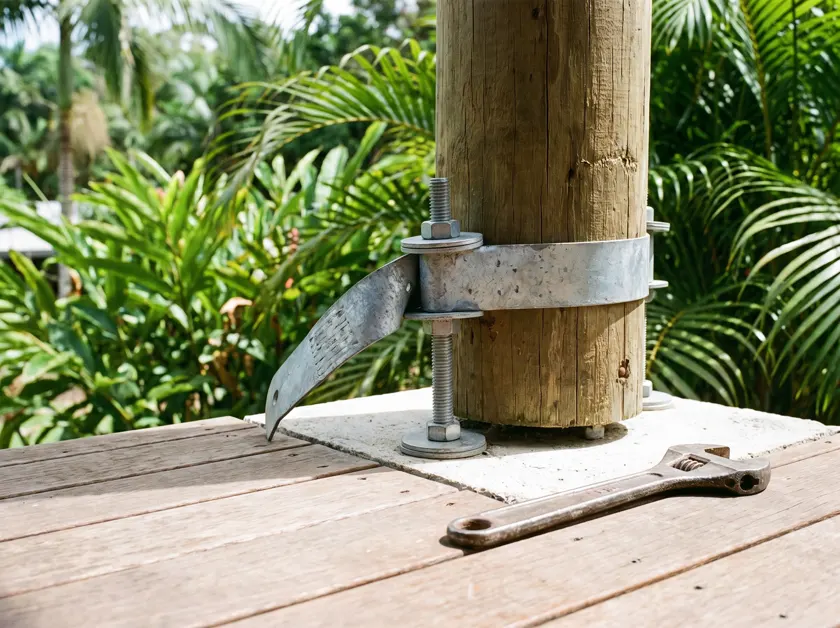
A cyclone does not push a structure over so much as lift it. A timber cabin is a box with a large roof plane, and uplift finds the weakest connection in the load path — usually the one between the floor frame and whatever it is sitting on.
So the anchorage is a continuous path: roof to wall, wall to floor frame, floor frame to steel feet, steel feet to concrete pad, with straps and threaded rod rather than friction. Where exposure warrants it, an engineer signs the detail.
For seasonal properties we run a shutdown before the season and a restart after it: check every fixing and strap, drain and isolate what needs it, secure or remove anything loose, and inspect again once the season has passed.
It is a couple of hours twice a year and it is the difference between a small repair and a claim.
The east coast from Belle Mare to Poste Lafayette, the Le Morne peninsula and exposed headlands take the heaviest case, and every detail there is engineer-signed. The sheltered west around Flic en Flac and courtyards on the central plateau are lighter cases, though never exempt. Two plots the same distance from the sea can need very different anchorage, which is why we assess the exact position rather than the district.
A4 stainless throughout, including every fixing nobody sees. Sealed and filtered plant enclosures. Deeper drained cavities behind cladding. Sealed end grain before assembly, not after.
The island's salt load is not extreme by itself — it is the fact that the humidity is continuous that makes corrosion continuous. There is no dry month during which metal gets a rest.
Indicative bands: a cyclone tie-down package at 45 to 120 thousand rupees with straps and threaded rod into concrete pads, engineer-signed where required; a marine specification upgrade at 60 to 150 thousand; and a shutdown-and-restart service around the season at 12 to 28 thousand. Each is a separate line in our quote, and our note on how cyclone anchorage works explains why none of them should be value-engineered out.
On an exposed coastal site, yes, and any insurer will ask the same question. Inland and sheltered, our standard detail is usually sufficient.
Secure or remove loose items, close and latch everything, and follow the written routine we leave at handover. The fixed structure is already anchored.
It is a modest percentage of the project and it is not optional. It is also far cheaper than rebuilding.
Send us a photo of the spot and the rough size. Within one business day you get photos of comparable rooms we have finished and an itemised, position-by-position quote.
On this island the wind is a design load, not weather. Everything freestanding is tied down to concrete, and a…
Read more →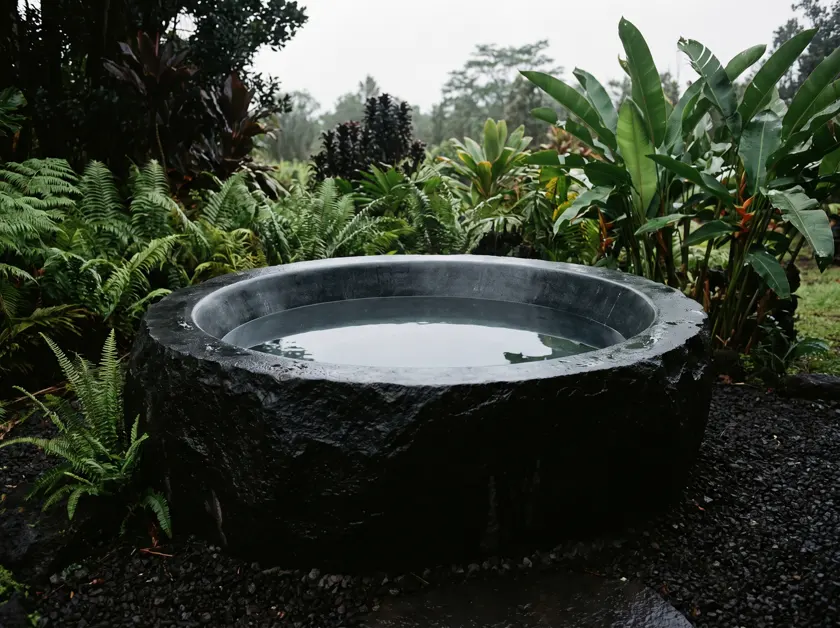
On an island where the lagoon sits at bath temperature for much of the year, cold water has to be made, and it…
Read more →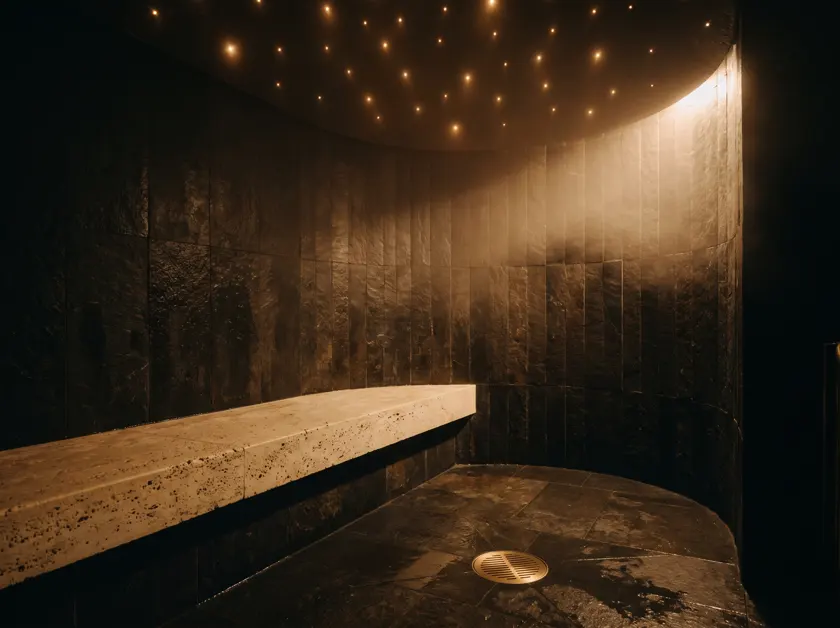
Building a steam room on a humid island sounds redundant and is not — but it does mean the ventilation has to …
Read more →