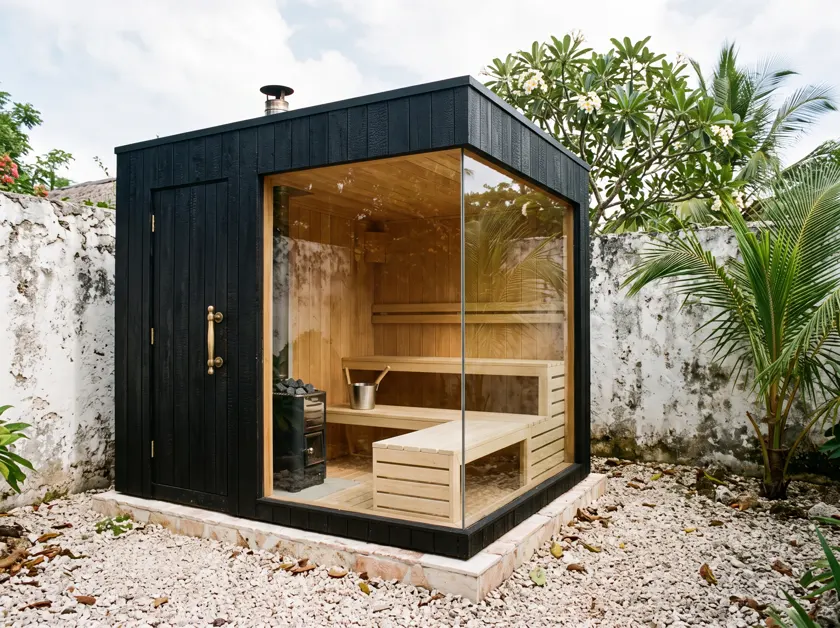
Saunas
Tanzania asks three different things of a sauna. On Zanzibar it must shrug off salt and be carried across the …
Read more →A flat in Masaki, Upanga or Mbezi rarely has three-phase power, a drain in the floor or a landlord who will let you alter anything. A rented villa on Zanzibar has the same limits and a sea breeze on top. An infrared cabin asks for one socket and a dry corner.
Typical project in Tanzania: TZS 3.5M – 6M, supplied and installed · six to ten weeks per room after the drawing is approved, plus shipping.
Across the continent: Infrared cabins in all eight countries →
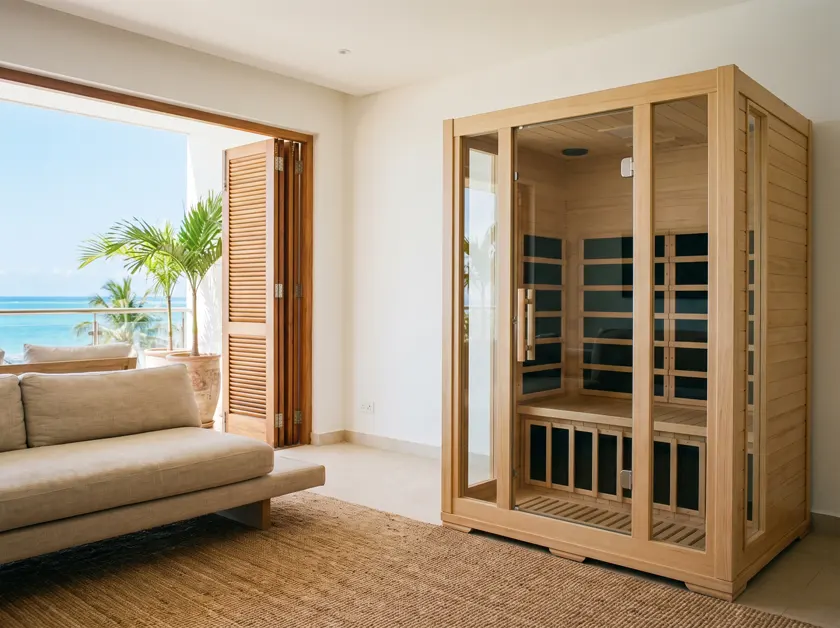
The emitters heat the body itself; the cabin air only reaches about 45–60 °C. In Dar, where the outside air is already 30 °C and humid, many people find that gentler heat easier to enjoy than a 90 °C Finnish cabin, especially after training.
It is not a traditional sauna: there are no stones and no water to throw, so no burst of löyly. We fit Sentiotec and EOS infrared emitters and controls, brands we have officially sold since 2015, and describe it for what it is.
Tanzania runs on 230 V at 50 Hz. A two-person cabin draws 1.5–2.5 kW, around 7–11 A, so it runs from a normal socket, though we ask for a dedicated circuit so it never shares with a water heater or an air conditioner.
Power cuts still happen in Dar and on the islands. An inverter and battery set of the kind many Dar households already own will carry this cabin through a session; it would trip at once under a 6–9 kW convection heater. Forty minutes uses about 1.3 kWh, roughly TZS 300 at the average household price of around TZS 230 a unit that GlobalPetrolPrices tracked in late 2025.
Electronics do not enjoy months in a closed, damp room. In apartments that stand empty during long trips, and in rental villas on Zanzibar between seasons, we place the cabin in a room with air movement, supply a fitted cover and add it to the shutdown checklist: power off, door ajar, cover on.
On an island terrace it must be under a solid roof with a sheltered socket, away from salt spray. Open to the sea air, the control board will not last a season.
The cabin comes flat-packed from our factory; the largest panel fits a standard service lift, and in Stone Town it can be carried through the lanes by two people. Our crew assembles it in an afternoon without drilling into the building's structure, which is why landlords and building managers rarely object.
| Cabin | Indicative, million TZS | Notes |
|---|---|---|
| Infrared, 2 person | 3.5 – 6 | Dedicated 230 V socket, no drain |
| Convection sauna, 2 person (for comparison) | 7.5 – 11 | Heater circuit, ventilation, fixed installation |
Photograph the corner you have in mind and send its width, depth and ceiling height; an itemised quote and pictures of similar cabins follow within one business day.
Yes. Nothing is fixed to the building, it survives the off-season with a cover and a shutdown routine, and guests find the controls simple.
Only under a solid roof with a sheltered socket. Open to rain and salt air, no.
Usually, yes: most home inverters in Dar are rated well above the cabin's 2 kW. Tell us your inverter model and we will confirm.
Send us a photo of the spot and the rough size. Within one business day you get photos of comparable rooms we have finished and an itemised, position-by-position quote.
Tanzania asks three different things of a sauna. On Zanzibar it must shrug off salt and be carried across the …
Read more →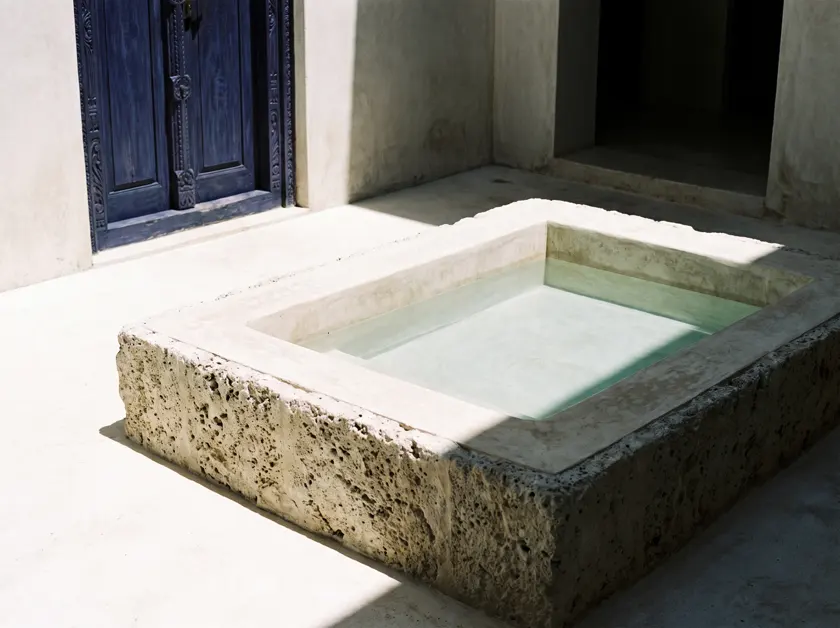
On Tanzania's coast a plunge needs a chiller every month of the year; in the northern highlands it barely need…
Read more →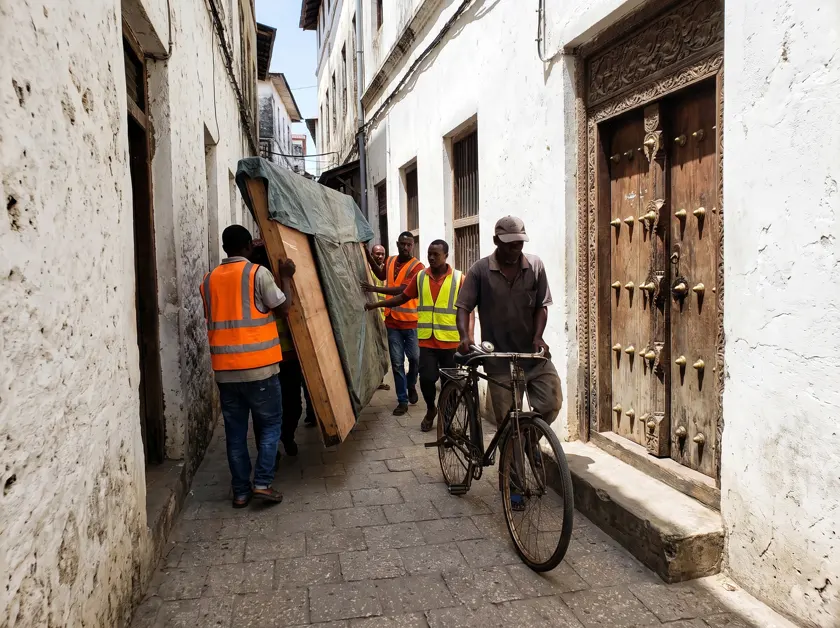
Zanzibar presents two separate problems. The salt is everywhere, from Nungwi to Michamvi. And in Stone Town no…
Read more →